
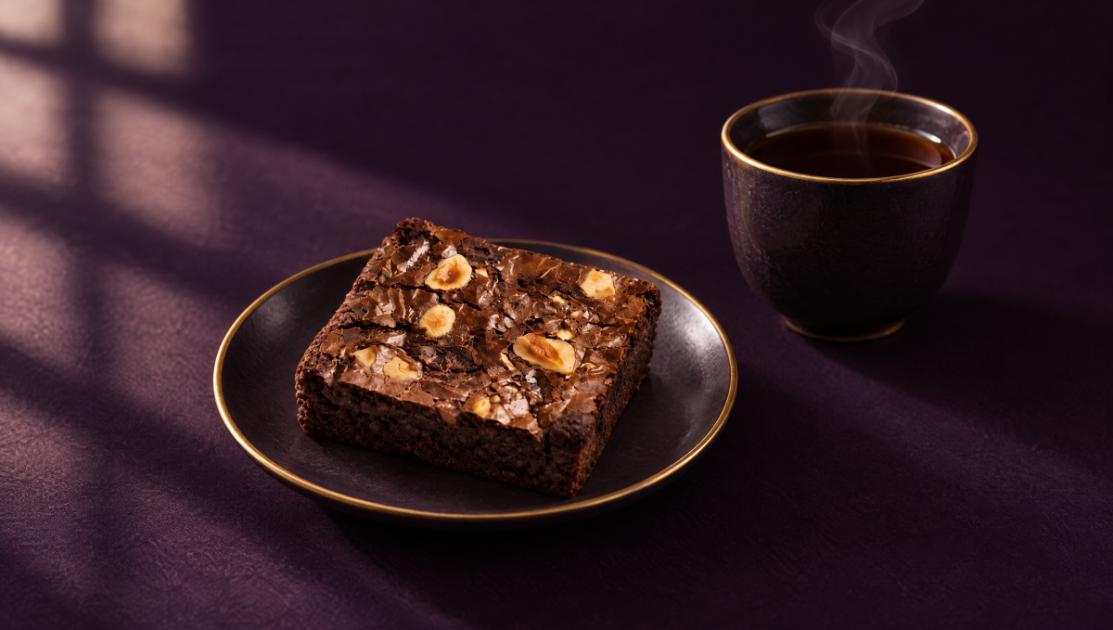
Most of us know that too much sugar is "bad". Fewer people know what actually happens in the body after a sweet bite. A short explanation makes every label and every dessert choice easier to understand.
What your body does with sugar
When you eat sugar or other carbohydrates, your body breaks them down into glucose. Glucose enters the blood, and that is your blood sugar. Your body needs glucose for energy, so this is normal and healthy.
What insulin does
Insulin is a hormone made by the pancreas. Its job is to help glucose move out of the blood and into your cells. Without enough working insulin, glucose stays in the blood. The World Health Organization describes diabetes as a condition where the pancreas does not produce enough insulin, or the body cannot use the insulin it makes effectively.
Why fast sugars matter
Sweets and sugary drinks are digested quickly, so glucose arrives in the blood quickly too. For a healthy person, the body handles this. For someone with diabetes or at risk of it, repeated high blood sugar is the problem. Over time, WHO notes, raised blood sugar damages the nerves and blood vessels, and can lead to heart attack, stroke, kidney failure, vision loss and foot problems.
What WHO recommends about sugar
WHO recommends keeping free sugars to less than 10% of daily energy intake, with further benefit below 5%. Its evidence links higher sugar intake to weight gain, and it ties lower sugar intake to a lower risk of overweight and tooth decay.
It is worth being precise here. Sugar alone does not cause diabetes. WHO lists being overweight, low physical activity and genetics as the contributing factors for type 2 diabetes. Sugar matters because it adds energy without much else, and it is easy to eat too much of it.
The numbers in Pakistan
Dawn reported that around 33 million people in Pakistan are living with diabetes, citing the 10th edition of the IDF Diabetes Atlas, which put Pakistan third in the world. WHO also notes that more than half of adults with diabetes worldwide were not taking medication for it in 2022. In other words, many people have it without knowing.
What you can do
WHO's advice for preventing or delaying type 2 diabetes is simple:
Reach and keep a healthy body weight.
Be active, with at least 150 minutes of moderate exercise a week.
Eat a healthy diet and avoid sugar and saturated fat.
Avoid tobacco.
Early testing is inexpensive. If you are often very thirsty, urinate more than usual, feel tired, have blurred vision or lose weight without trying, see a doctor and get a blood glucose test.
Where sugar-free fits
A sugar-free dessert removes the sugar. It does not remove flour, fat or calories, and it is not a licence to eat without limit. It is one tool among several. Our guide to reading a sugar-free label explains what to check before you buy.
At CRUMAIRE, every brownie and every bark comes in a sugar-free version, sweetened with a stevia-based sweetener (Sucral). Browse the sugar-free collection. We deliver in Islamabad and Rawalpindi.
This article is general information, not medical advice. If you have diabetes or think you may be at risk, your doctor or dietitian is the right person to guide your choices.